Harmonizing Design: Integrating the Yin Yang, Balance Symbol, and Chess Figure into Modern Visual Projects
In the world of digital design, few concepts resonate as deeply as the interplay between opposing forces. Whether you are a graphic designer crafting a brand identity or a hobbyist creating handmade stationery, understanding how to visually represent equilibrium is crucial. This is where the Yin Yang, the universal Balance Symbol, and the strategic Chess Figure converge. These elements are not merely decorative; they are powerful visual metaphors for strategy, harmony, and duality. When executed as high-quality vector art—specifically on a 12 x 12 inch artboard at 300 dpi in RGB—they become versatile assets ready for any medium.
The Strategic Weight of Visual Duality
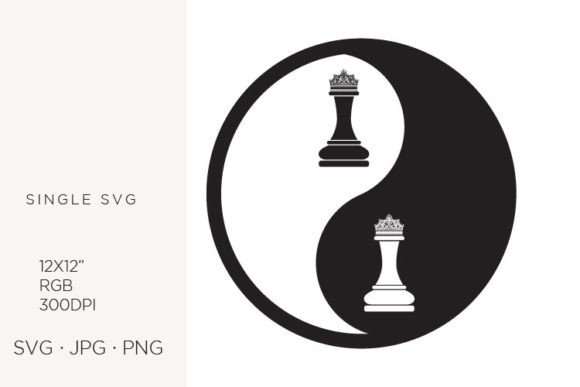
At first glance, combining ancient philosophy with modern gaming imagery might seem eclectic. However, the Yin Yang and the Chess Figure share a common thread: the necessity of balance. The Yin Yang represents the dynamic equilibrium of light and dark, passive and active. Similarly, a chess game is won not by brute force alone, but by the balanced deployment of pieces, each with unique strengths and limitations. A Balance Symbol serves as the visual anchor for these concepts, reminding the viewer that stability is an active process, not a static state.
For designers, this trio offers a rich narrative palette. You are not just placing shapes on a canvas; you are telling a story about decision-making, harmony, and intellectual depth. This is particularly relevant in today’s fast-paced digital landscape, where audiences crave meaning behind the aesthetics. Using these symbols allows you to communicate complex ideas instantly, bypassing language barriers and appealing to a universal sense of order.
Versatility Across Industries and Applications
The true power of these digital graphics lies in their adaptability. Because the files are created in a vector program like Adobe Illustrator, they maintain crisp edges and perfect scalability regardless of the output size. Here is how different sectors can leverage these elements:
- Brand Identity and Logo Design: Startups in consulting, law, or wellness often seek logos that convey trust and stability. A stylized Chess Figure, such as a knight or king, combined with the fluid curves of a Yin Yang, can create a memorable mark that suggests strategic thinking and holistic care. The vector format ensures the logo looks sharp on a business card or a billboard.
- Wall Art and Home Decor: Interior design trends are shifting toward mindful spaces. Large-format prints of a Balance Symbol intertwined with chess motifs can serve as focal points in home offices or meditation rooms. The 300 dpi resolution guarantees that when printed on canvas or high-quality paper, the details remain intricate and engaging.
- Stationery and Invitations: For weddings or corporate events, these symbols add a layer of sophistication. Imagine wedding invitations featuring a subtle Yin Yang watermark, symbolizing the union of two individuals. Or consider corporate anniversary cards using a Chess Figure to represent years of strategic growth. The SVG format allows for easy integration into digital invitation platforms, while PNGs work perfectly for printed inserts.
- Handmade Crafts and Jewelry: Crafters can use these designs for laser cutting, vinyl decals, or resin jewelry. The clean lines of vector art make it ideal for precision cutting machines. A pendant featuring a minimalist Balance Symbol can become a meaningful accessory, while chess-themed earrings appeal to enthusiasts of the game.
Navigating File Formats and Technical Specifications
Understanding the technical backbone of these assets is essential for maximizing their potential. The files are provided in three primary formats: SVG, JPG, and PNG, each serving a distinct purpose in your workflow.
SVG (Scalable Vector Graphics) is the gold standard for web design and scalable applications. Since it is code-based, it remains infinitely scalable without losing quality. This is ideal for responsive websites where icons need to look crisp on both mobile screens and desktop monitors. If you are a web designer, the SVG version of the Chess Figure or Yin Yang will load quickly and integrate seamlessly into your CSS.
PNG (Portable Network Graphics) offers transparency, which is invaluable for overlaying graphics onto complex backgrounds. If you are creating party decor or digital announcements, the PNG format allows you to place the Balance Symbol over photos or textured backgrounds without a white box surrounding it. The 300 dpi resolution ensures that even when printed, the image retains its clarity.
JPG (Joint Photographic Experts Group) is best for photographic contexts or when file size is a concern. While it does not support transparency, it is widely compatible and efficient for email attachments or social media posts where transparency is not required.
All files are built on a 12 x 12 inch artboard at 300 dpi in the RGB color palette. This specification is crucial. RGB is optimized for screens, ensuring vibrant colors on digital devices. However, if you plan to print physical items like invitations or wall art, remember that printers use CMYK. Most modern design software handles this conversion well, but being aware of it helps you anticipate slight color shifts in printed materials.
Practical Considerations for Designers and Creators
Before integrating these elements into your projects, consider the context and audience. The Yin Yang carries cultural significance rooted in Taoism. While it is widely recognized as a symbol of balance, it is important to use it respectfully and appropriately. Avoid trivializing the symbol in contexts that contradict its philosophical meaning. Similarly, the Chess Figure evokes intellect and strategy. Using a pawn might suggest humility or beginnings, while a queen implies power and versatility. Choose the piece that aligns with your message.
Another consideration is visual clutter. These symbols are strong on their own. Combining them requires careful composition. Ensure there is enough negative space around the Balance Symbol to let it breathe. Overcrowding the design can dilute the impact of the metaphor. Use the vector nature of the files to adjust line weights and spacing until the composition feels harmonious.
Color choice also plays a pivotal role. While black and white is traditional for chess and Yin Yang, experimenting with the RGB palette can modernize the look. Soft pastels might suit baby announcements, while bold, contrasting colors could energize sports team merchandise. The key is consistency. Ensure the colors you choose reflect the emotion you want to evoke.
Empowering Creativity Through Accessible Tools
These digital graphics are designed to lower the barrier to entry for high-quality design. You do not need to be a master illustrator to create professional-looking products. By starting with professionally crafted vectors, you can focus on creativity rather than technical execution. Whether you are designing a website header, printing custom t-shirts, or creating handmade cards, these assets provide a solid foundation.
The flexibility of the 12 x 12 inch artboard means you can easily crop or resize elements for square social media posts, Instagram stories, or product labels. The high resolution ensures that whether you are printing small stickers or large posters, the quality remains uncompromised. This versatility makes these files a valuable addition to any creative toolkit.
Ultimately, the fusion of the Yin Yang, Balance Symbol, and Chess Figure offers more than just aesthetic appeal. It provides a visual language for discussing balance, strategy, and harmony. By leveraging these vector-based resources, you can create meaningful, impactful designs that resonate with your audience across various mediums. From digital screens to tangible crafts, these symbols help bring a sense of order and intention to your creative projects.