Illuminating Creativity: A Guide to Lighthouse and Night Sky Digital Assets
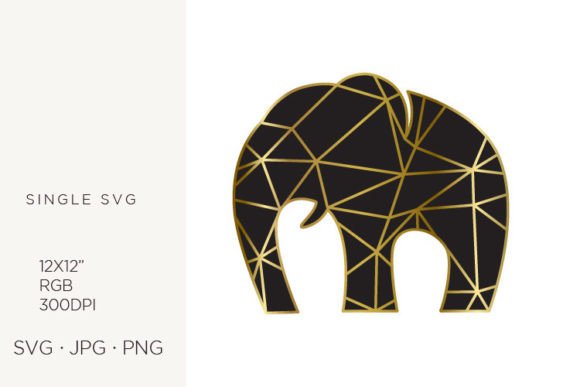
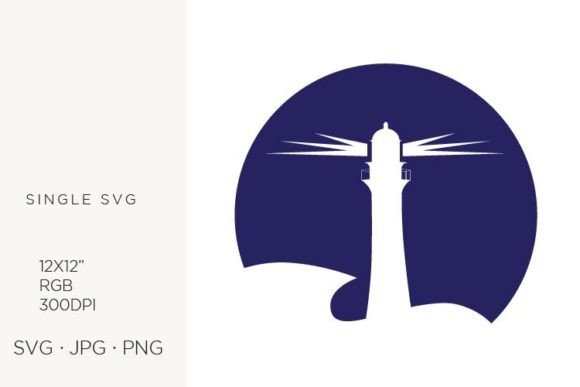
In the rapidly evolving landscape of digital design, the demand for high-quality, versatile graphic elements has never been higher. Whether you are a seasoned graphic designer, a small business owner crafting your brand identity, or a hobbyist creating handmade cards, the foundation of your project often lies in the quality of your raw materials. This is where specialized digital assets, such as those featuring Lighthouse and Night Sky motifs, become invaluable. These are not merely images; they are carefully constructed vector-based artboard files designed with precision, offering a resolution of 300 DPI in an RGB color palette, available in SVG, JPG, and PNG formats.
Understanding the technical backbone of these files is crucial for maximizing their potential. Created in professional vector programs like Adobe Illustrator, these elements offer scalability without loss of quality. This article explores the unique characteristics of these digital graphics, their practical applications, and how they can elevate various creative projects from simple stationery to complex web designs.
The Technical Advantage: Vector Precision and High Resolution
When we discuss digital graphics, the distinction between raster and vector images is paramount. The Lighthouse and Night Sky collections are crafted using vector technology. Unlike standard photographs that pixelate when enlarged, vector graphics use mathematical equations to define shapes and lines. This means you can scale a lighthouse illustration from the size of a postage stamp to the dimensions of a billboard without any degradation in clarity.
Furthermore, these files are optimized with a 300 DPI (dots per inch) resolution. While screen displays typically require only 72 DPI, print media demands higher density to ensure crisp edges and smooth gradients. By providing files at 300 DPI, these assets bridge the gap between digital display and physical printing. The RGB color palette ensures vibrant, luminous colors that pop on screens, which is essential for web design and digital invitations, while still maintaining fidelity when converted for specific print processes.
File Formats and Their Specific Uses
Versatility is key in modern design workflows. The inclusion of multiple file formats—SVG, JPG, and PNG—ensures compatibility across various software and platforms:
- SVG (Scalable Vector Graphics): Ideal for web developers and UI designers. SVGs are code-based, making them lightweight and perfect for responsive web design where icons need to resize dynamically.
- JPG (Joint Photographic Experts Group): Best for photographic contexts or when file size needs to be minimized for email attachments or social media posts where transparency is not required.
- PNG (Portable Network Graphics): The go-to format for designers needing transparent backgrounds. This allows you to place the lighthouse or starry sky elements seamlessly over other images, textures, or colored papers without a white box surrounding the graphic.
Applications Across Creative Industries
The utility of these Lighthouse and Night Sky graphics extends far beyond simple decoration. Their thematic resonance—symbolizing guidance, hope, mystery, and tranquility—makes them suitable for a wide array of projects.
Branding and Logo Design
For businesses in the maritime, tourism, or wellness sectors, a lighthouse serves as a powerful metaphor for stability and guidance. Using these vector elements, designers can create unique logo designs that stand out. Because the files are made in Adobe Illustrator, they can be easily manipulated, combined, or simplified to fit a brand’s specific aesthetic. A minimalist lighthouse icon can convey trustworthiness for a financial advisory firm, while a detailed night sky backdrop might suit a boutique hotel or a meditation app.
Stationery and Paper Crafts
The tactile nature of printed paper items benefits immensely from high-resolution graphics. Consider the following applications:
- Invitations and Announcements: Wedding invitations featuring a serene night sky can set a romantic tone, while birthday announcements for children might use whimsical star clipart.
- Handmade Cards: Crafters can print these elements on high-quality cardstock to create layered, dimensional greeting cards. The PNG format allows for easy cutting and layering.
- Journaling and Planners: The calming imagery of a lighthouse can be used in printable planner stickers or journal headers, helping users organize their thoughts with a sense of peace.
Web and Graphic Design
In the digital realm, these assets enhance user experience through visual storytelling. Web designers can use the SVG versions to create animated hero sections where stars twinkle or a lighthouse beam rotates. This adds interactivity without significantly impacting load times. Additionally, these graphics can be used in blog post headers, social media banners, and email newsletters to maintain a consistent visual theme.
Evaluating Suitability for Your Project
While these digital elements are highly versatile, it is important to assess whether they align with your specific project goals. Here are some considerations to keep in mind:
Target Audience: Who are you trying to reach? A corporate annual report might require a more abstract interpretation of the lighthouse, whereas a children’s book would benefit from bright, cartoonish vector styles. Understanding your audience helps determine how you manipulate these base files.
Medium Constraints: If you are designing for large-format printing, such as wall art or party decor, ensure you are using the vector or high-resolution JPG/PNG files. For small items like jewelry charms or favours, the detail level must be appropriate; overly complex designs may lose definition when scaled down.
Color Consistency: Since the files are in RGB, be mindful if your final output is for professional offset printing, which uses CMYK. Always perform a test print to check for color shifts, particularly with deep blues and blacks in the night sky elements.
Practical Tips for Integration
To get the most out of your Lighthouse and Night Sky assets, consider these best practices:
- Layering: Use the PNG files with transparent backgrounds to layer the lighthouse over different textures, such as watercolor washes or kraft paper scans, to create a unique, handcrafted look.
- Modification: Open the SVG or original Illustrator files to adjust colors. You might change the lighthouse beam to match your brand colors or alter the hue of the night sky to fit a seasonal theme.
- Combination: Don’t limit yourself to using one element. Combine the lighthouse with other vector elements like waves, birds, or moons to create complex scenes for wall art or large prints.
Conclusion
The Lighthouse and Night Sky digital graphics represent more than just clipart; they are flexible tools for creative expression. By leveraging the technical advantages of vector-based artboards, 300 DPI resolution, and multiple file formats, creators can produce professional-grade results across a spectrum of mediums. From enhancing web interfaces to adding a personal touch to handmade crafts, these elements provide the visual foundation needed to communicate messages of guidance, beauty, and tranquility. Whether you are designing a logo, planning a party, or creating digital content, understanding how to effectively utilize these assets will undoubtedly elevate the quality and impact of your work.
As you embark on your next creative endeavor, remember that the right digital assets can save time, inspire innovation, and ensure a polished final product. Explore the possibilities that these vector elements offer, and let your creativity shine as brightly as a lighthouse in the night sky.