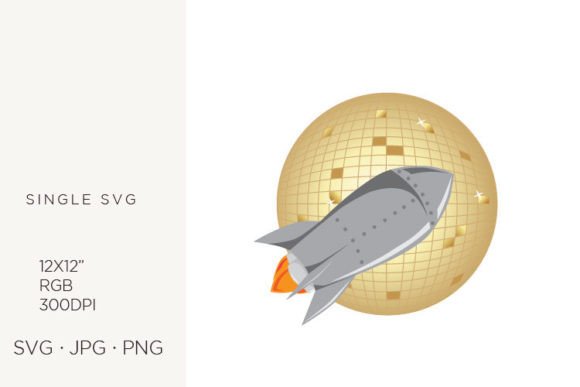
Space Rocket and Disco Ball: Integrating High-Resolution Vector Assets into Professional Design Workflows
In the fast-paced world of digital content creation, the distinction between a generic project and a standout brand asset often lies in the quality and versatility of the graphical elements used. The Space Rocket and Disco Ball collection represents more than just whimsical imagery; it is a strategic resource for designers, marketers, and entrepreneurs who require high-fidelity visuals that scale seamlessly across multiple mediums. By leveraging files created in Adobe Illustrator with an artboard size of 12 x 12 inches at 300 DPI in RGB color palette, creators can ensure their output remains crisp, vibrant, and professional regardless of the final application.
Understanding how to integrate these vector-based elements into your existing workflow requires a shift from viewing graphics as static images to treating them as flexible components of a broader design system. Whether you are developing a new logo, crafting handmade stationery, or designing web interfaces, the technical specifications of these assets—specifically the availability of SVG, JPG, and PNG formats—play a crucial role in maintaining efficiency and quality control.
The Strategic Value of Vector-Based Foundations
When evaluating digital graphics for professional use, the source file format is paramount. Files made in a vector program like Adobe Illustrator offer distinct advantages over raster-only images. A vector graphic is defined by mathematical equations rather than pixels, allowing it to be scaled infinitely without loss of resolution. This characteristic is essential for projects that require adaptability, such as creating a small icon for a mobile app and a large-format print for party decor using the same core asset.
The Space Rocket and Disco Ball elements are designed with this scalability in mind. The 12 x 12 inch artboard provides a generous canvas for detailed work, while the 300 DPI resolution ensures that when these vectors are rasterized for print purposes, they retain sharpness and clarity. For professionals, this means less time spent recreating assets for different sizes and more time focusing on creative composition and brand consistency.
Optimizing File Formats for Specific Use Cases
To maximize the utility of these graphics, it is important to understand when to use each provided file format. The collection includes SVG, JPG, and PNG files, each serving a specific function in the digital and print ecosystem:
- SVG (Scalable Vector Graphics): Ideal for web design, logos, and any application where scaling is required. SVGs are code-based, making them lightweight and perfect for responsive websites and interactive media.
- PNG (Portable Network Graphics): Best for digital overlays, presentations, and projects requiring transparency. The PNG format preserves the integrity of the design without a background, allowing seamless integration into complex layouts.
- JPG (Joint Photographic Experts Group): Suitable for photographic prints, social media posts, and scenarios where file size compression is necessary without significant quality loss. This format is widely compatible with most printing services and digital platforms.
By selecting the appropriate format early in the planning phase, you streamline the production process and avoid common pitfalls such as pixelation or incompatible layer structures.
Integrating Graphics into Creative and Business Workflows
The application of Space Rocket and Disco Ball clipart extends far beyond simple decoration. For entrepreneurs and small business owners, these elements can serve as the foundational visual identity for niche markets. Consider the synergy between the futuristic theme of a space rocket and the retro glamour of a disco ball. This juxtaposition creates a unique aesthetic that can be leveraged in branding for events, educational materials, or lifestyle products.
In a typical project lifecycle, these assets can be utilized at various stages:
- Pre-Production and Planning: During the brainstorming phase, use the SVG files to quickly mock up concepts. Their scalability allows for rapid iteration in layout software, helping stakeholders visualize the final product before committing to detailed design work.
- Execution and Design: Import the high-resolution PNG or original Illustrator files into your primary design tool. Here, you can manipulate colors, adjust compositions, and combine elements with typography to create cohesive designs for invitations, announcements, or web banners.
- Production and Output: For physical items like handmade cards, stationery, or printed paper items, ensure you are working with the 300 DPI versions. This guarantees that the printed output matches the vibrancy seen on screen, maintaining professional standards.
Enhancing Handmade and Craft Projects
For hobbyists and creators focused on tangible goods, the versatility of these graphics opens up numerous possibilities. The clean lines and bold colors of the vector art translate exceptionally well to cut-out crafts, jewelry design, and custom party decor. When creating handmade items, consistency is key. Using a standardized set of graphics ensures that a series of products, such as a wedding invitation suite or a line of greeting cards, maintains a unified look and feel.
Moreover, the RGB color palette used in these files is optimized for digital screens but can be effectively converted to CMYK for print if necessary. However, for most modern digital printers and craft machines, the RGB values provide a wide gamut of bright, eye-catching colors that appeal to contemporary audiences. Always perform a test print to verify color accuracy, especially when working with metallic or neon hues often associated with disco and space themes.
Quality Control and Long-Term Asset Management
Implementing a robust system for managing digital assets is crucial for long-term efficiency. When you purchase or acquire high-quality resources like the Space Rocket and Disco Ball collection, organize them logically within your digital library. Tag files by format, theme, and potential use case. This practice reduces search time during future projects and ensures that you always have access to the highest quality version of the asset.
Additionally, consider the compatibility of these files with your existing software stack. While Adobe Illustrator is the native environment for these vectors, the inclusion of SVG and PNG formats ensures broad compatibility with other design tools, web development environments, and office productivity suites. This interoperability is vital for teams where different members may use different software solutions.
Practical Tips for Seamless Integration
To further enhance your workflow, keep the following considerations in mind:
- Maintain Layer Integrity: When editing SVG or Illustrator files, keep elements on separate layers. This allows for easier modification of individual components, such as changing the color of the rocket separately from the disco ball.
- Optimize for Web Performance: If using these graphics for web design, compress SVG files where possible without losing detail. This improves page load times and enhances user experience.
- Consistency in Branding: Establish a style guide that defines how these elements should be used. Specify minimum clear space, acceptable color variations, and prohibited modifications to maintain brand integrity across all touchpoints.
By treating these graphical elements as integral parts of your design infrastructure rather than afterthoughts, you elevate the overall quality of your output. The Space Rocket and Disco Ball collection offers the flexibility needed to adapt to evolving trends while providing the technical reliability required for professional execution. Whether you are a freelancer managing multiple client projects or a marketer launching a new campaign, integrating these high-resolution, vector-based assets into your process will yield consistent, high-impact results.
Ultimately, the value of these digital graphics lies in their ability to bridge the gap between creative vision and practical implementation. They provide the building blocks for innovative designs that resonate with audiences across various platforms, from handheld invitations to large-scale digital displays. By understanding the technical nuances and strategic applications of these files, you empower yourself to create work that is not only visually appealing but also technically sound and commercially viable.