Strategic Visuals: Leveraging Smart Phone Screen and Apple Tree Artwork for Brand Clarity
In the crowded digital marketplace, visual consistency is not merely an aesthetic choice; it is a strategic asset. When we examine the intersection of technology and nature through design elements like Smart Phone Screen and Apple Tree vector artwork, we uncover a powerful toolkit for modern creators. This specific digital graphic combination offers more than just decorative value. It provides a framework for communicating complex ideas about growth, connectivity, and organic development within a technological context. For entrepreneurs, marketers, and designers, understanding how to deploy these assets intentionally can significantly enhance branding, customer experience, and operational clarity.
The core value of this 12x12 inch, 300 DPI RGB artwork lies in its versatility and technical precision. Delivered as a zip file containing SVG, JPG, and transparent PNG formats, it is engineered for high-fidelity reproduction across various media. However, the true utility emerges when you move beyond simple decoration and start using these elements to solve communication problems. Whether you are designing a logo for a tech-agri startup, creating invitation cards for a corporate retreat, or developing web graphics for an educational platform, the thoughtful integration of these symbols can anchor your message in reliability and innovation.
Defining the Strategic Utility of Hybrid Imagery
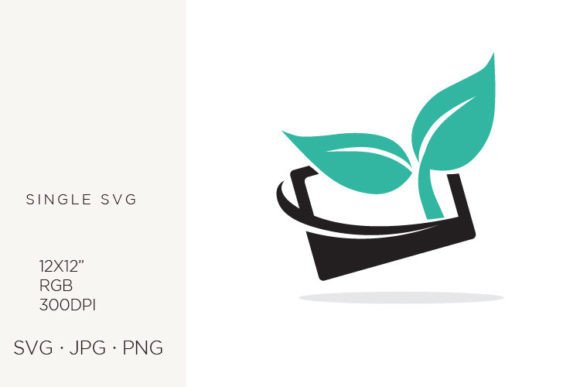
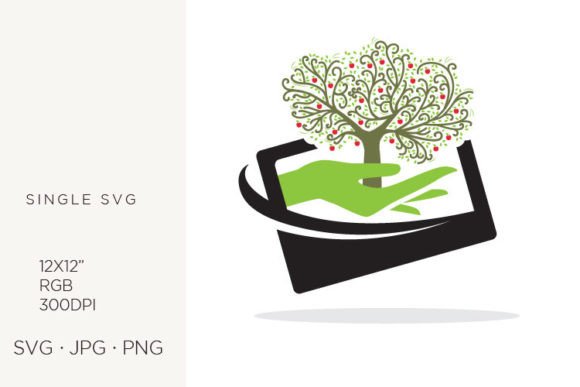
At first glance, pairing a Smart Phone Screen with an Apple Tree might seem like a juxtaposition of unrelated concepts. Yet, in strategic communication, this contrast is where the power lies. The smartphone represents immediacy, connectivity, data, and modern efficiency. The apple tree symbolizes patience, organic growth, roots, and tangible results. When combined in a single vector artwork, they create a narrative bridge. This is particularly useful for businesses that want to position themselves as technologically advanced yet grounded in traditional values or sustainable practices.
For decision-makers and brand managers, this duality supports nuanced positioning. If you are launching a product that helps users manage their digital well-being, the imagery suggests that technology can support a healthy, natural lifestyle rather than detract from it. For educators, it can represent the growth of knowledge facilitated by digital tools. The key is to avoid random placement. Instead, ask yourself: What does the phone enable? What does the tree produce? The answer to those questions should guide your design choices, ensuring that every instance of this artwork serves a clear communicative purpose.
Optimizing Asset Formats for Diverse Applications
To maximize the return on your creative investment, you must understand the technical strengths of each file format included in the package. The artwork is created in Adobe Illustrator (version 10) and exported into three distinct formats, each serving a specific role in your workflow.
- SVG File: This is your primary asset for web design and scalable graphics. Because it is vector-based, it remains crisp at any size, from a favicon to a billboard. Use the SVG for your website headers, app interfaces, and digital presentations where loading speed and resolution independence are critical.
- PNG File (300 DPI, Transparent Background): This format is essential for layering. The transparent background allows you to place the Smart Phone Screen and Apple Tree over colored backgrounds, photographs, or textured paper without unsightly white boxes. It is ideal for handmade cards, stationery, and complex graphic compositions where integration with other elements is necessary.
- JPG File (300 DPI): Best suited for print-heavy applications where transparency is not required, such as standard printed paper items or quick social media previews. Ensure you maintain the 300 DPI resolution to prevent pixelation in physical outputs.
By selecting the right format for the right channel, you ensure that your brand maintains a professional appearance across all touchpoints. This attention to detail signals competence to your audience, reinforcing trust in your products or services.
Practical Use Cases for Entrepreneurs and Creators
The application of this artwork extends far beyond simple logo design. Here are several strategic ways to integrate these elements into your business operations and creative projects:
Brand Identity and Logo Design
For startups in the ed-tech or agri-tech sectors, this artwork can form the backbone of a logo. The Apple Tree can represent the core product or service, while the Smart Phone Screen indicates the delivery method. This visual shorthand helps customers instantly understand your business model. When designing your logo, consider simplifying the vector paths to ensure legibility at small sizes, such as on mobile app icons.
Marketing Collateral and Invitations
When creating invitations for product launches, workshops, or networking events, use the artwork to set the tone. A clean, minimalist layout featuring the vector art on high-quality cardstock conveys sophistication. For digital invitations, the SVG format ensures that the graphics look sharp on all devices, from desktop monitors to Smart Phone Screen displays. This consistency reinforces brand recognition before the event even begins.
Web Design and User Experience
In web design, visual cues guide user behavior. Use the Apple Tree element to highlight sections related to growth, testimonials, or long-term benefits. Use the Smart Phone Screen element to denote features, downloads, or mobile compatibility. This semantic use of imagery helps users navigate your site intuitively, reducing cognitive load and improving conversion rates.
Educational and Training Materials
Educators and corporate trainers can use these graphics to illustrate concepts of digital literacy and organic learning. For example, a slide deck explaining the lifecycle of a project could use the tree to show phases of development and the phone to show monitoring and feedback loops. This makes abstract concepts tangible and memorable for learners.
Risks of Unintentional Design Choices
While versatile, these assets carry risks if used without a clear strategy. The most common pitfall is contextual dissonance. If your brand voice is strictly industrial or futuristic, introducing an Apple Tree might confuse your audience unless carefully justified. Similarly, using a detailed vector on a cluttered background can reduce readability and dilute your message.
Another risk is over-reliance on stock aesthetics. To mitigate this, customize the colors to match your brand palette precisely. Do not simply drop the file into your design; adapt it. Change the hue of the leaves to match your corporate green, or adjust the screen color to align with your primary brand accent. This customization transforms a generic asset into a proprietary brand element.
Furthermore, consider the cultural connotations. In some contexts, apples symbolize knowledge; in others, health. Smartphones can symbolize connection or distraction. Ensure that the combination aligns with the specific values you wish to project. Conduct A/B testing with your target audience to gauge their reaction to the imagery before rolling it out across major campaigns.
Long-Term Value Through Consistent Application
The true measure of successful design is not immediate impact but long-term recognition. By consistently using the Smart Phone Screen and Apple Tree artwork across your stationery, web design, and party decor, you build a cohesive visual language. This consistency reduces marketing friction because customers begin to associate these visuals with your brand’s promise of balanced growth and technological ease.
For small business owners and freelancers, this efficiency is crucial. Instead of commissioning new artwork for every project, you have a flexible, high-resolution asset that adapts to multiple needs. This saves time and resources, allowing you to focus on strategic planning and customer engagement. The 12x12 inch artboard size is particularly convenient for square-format social media posts, which remain a dominant mode of consumption.
Ultimately, the decision to use this artwork should be driven by your goals. Are you trying to soften a tech-heavy image? Are you trying to modernize a traditional brand? If the answer is yes, then this vector package is a strategic tool. If not, it may be better to seek alternatives that align more closely with your core message. Always prioritize clarity and intent over mere decoration.
Making Better Decisions with Visual Tools
In conclusion, the Smart Phone Screen and Apple Tree vector artwork is more than a digital file; it is a catalyst for clearer communication. By understanding its technical specifications, exploring its symbolic potential, and applying it with strategic intent, you can enhance your branding, improve your user experience, and achieve better business results. Remember, effective design is not about adding more elements; it is about choosing the right elements to tell your story effectively. Use this asset to bridge the gap between nature and technology, and watch your audience engage with deeper understanding and trust.