Understanding the Versatility of Splash Watercolor Effect Vector Graphics
In the evolving landscape of digital design, the demand for assets that bridge the gap between organic artistic expression and technical precision has never been higher. Designers, marketers, and small business owners frequently seek resources that offer the soft, fluid aesthetic of traditional media without the limitations of raster-based files. This is where the Splash, Watercolor Effect, Vector category becomes an indispensable tool in a modern creative workflow. These assets are not merely decorative elements; they are functional components designed to elevate branding, print materials, and digital interfaces with a touch of handcrafted authenticity.
The core appeal of these graphics lies in their hybrid nature. They mimic the unpredictable, beautiful bleed of watercolor pigments on paper—often referred to as a "splash" effect—while maintaining the mathematical precision of vector geometry. Created using professional software like Adobe Illustrator, these files allow for infinite scalability without pixelation. For professionals who require consistency across various mediums, from large-format wall art to intricate jewelry designs, understanding the specific utility of these assets is crucial for maximizing project value.
Technical Foundations and File Integrity
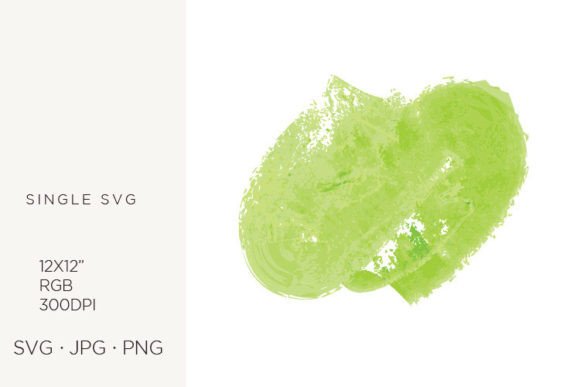
To fully leverage these design elements, one must understand the technical specifications that define their quality. The standard for high-end digital graphics in this niche typically involves an artboard size of 12 x 12 inches, rendered at a resolution of 300 DPI in the RGB color palette. While vectors are inherently resolution-independent, the inclusion of high-resolution raster previews or exported formats ensures compatibility across all platforms.
The primary file formats provided—SVG, JPG, and PNG—serve distinct purposes in a designer’s toolkit. The SVG (Scalable Vector Graphics) format is the cornerstone of this package. It allows users to manipulate anchor points, adjust curves, and recolor elements directly within vector editing software. This flexibility is vital for logo design, where a brand might need a specific shade of blue that differs from the preset palette. The JPG and PNG files, conversely, offer immediate usability for those who may not have access to advanced vector software or need quick drag-and-drop solutions for web design and social media content.
It is important to note that while the source files are made in Adobe Illustrator, the end-user experience is designed to be accessible. The clean layering and organized groups within the vector files mean that even intermediate users can isolate specific splashes or combine them to create unique compositions. This level of organization speaks to the reliability and professionalism of the asset creation process, ensuring that time is spent on creativity rather than troubleshooting messy file structures.
Practical Applications Across Industries
The versatility of Splash, Watercolor Effect, Vector graphics extends far beyond simple decoration. Their neutral yet expressive nature makes them suitable for a wide array of commercial and personal projects. For entrepreneurs and small business owners, these elements provide a cost-effective way to achieve a premium, bespoke look without hiring a custom illustrator for every campaign.
- Branding and Identity: Logos incorporating watercolor splashes convey creativity, fluidity, and approachability. This is particularly effective for businesses in the wellness, beauty, and artisanal food sectors.
- Print Media and Stationery: The 300 DPI resolution ensures crisp output for printed paper items. Invitations, announcements, and handmade cards benefit from the textured look, which adds depth and tactile visual interest to flat paper.
- Wall Art and Home Decor: Because vector files can be scaled to any size, these graphics are ideal for large-format prints. Creators can produce wall art that retains sharp edges and vibrant colors, regardless of dimensions.
- Digital and Web Design: For bloggers and web designers, the PNG files with transparent backgrounds allow for seamless integration into website headers, blog post featured images, and digital advertisements without clashing with background colors.
Furthermore, the craft industry has seen a surge in the use of these digital assets. Makers of handmade craft items, such as sublimated jewelry or custom party decor, rely on the clarity of vector lines to ensure accurate cutting and printing. The ability to modify the artwork means that a single splash element can be adapted for a wedding invitation suite, a birthday banner, and a set of custom stickers, providing significant long-term value.
Evaluating Usability and Workflow Integration
When integrating Splash, Watercolor Effect, Vector assets into a professional workflow, ease of use is a critical factor. High-quality vector packs are distinguished by their thoughtful construction. Unlike hastily created clipart, these files are built with logical grouping and naming conventions. This attention to detail reduces the learning curve and allows for rapid iteration during the design phase.
For freelancers and agencies managing tight deadlines, the reliability of these files cannot be overstated. There is no risk of unexpected artifacts or low-resolution blurriness when scaling up for a billboard or down for a business card. The RGB color palette ensures that colors appear vibrant on screens, which is essential for digital marketing materials. However, designers working primarily for print should remain mindful of converting colors to CMYK if strict color accuracy is required for offset printing, although most modern digital printers handle RGB inputs effectively.
The flexibility of these assets also supports creative experimentation. A marketer might use a subtle watercolor wash as a background texture for a quarterly report, adding visual interest without distracting from the data. Alternatively, a graphic designer might layer multiple splash elements to create a dynamic, abstract composition for an album cover. The key is that the base material is robust enough to withstand heavy manipulation while retaining its aesthetic integrity.
Who Benefits Most from These Assets?
While the appeal of watercolor aesthetics is broad, certain groups will find disproportionate value in acquiring high-quality Splash, Watercolor Effect, Vector libraries.
Small Business Owners and Entrepreneurs: Those who manage their own branding but lack extensive design training can use pre-made vector elements to maintain a professional appearance. The ability to customize colors to match brand guidelines ensures consistency across all touchpoints.
Educators and Publishers: Creating engaging educational materials often requires visually appealing graphics that do not distract from the content. Watercolor effects are soft and inviting, making them ideal for children’s books, worksheets, and classroom decorations.
Event Planners and Stationers: The wedding and event industry thrives on customization. Having a library of versatile splash elements allows planners to quickly mock up invitations and save-the-dates that feel personalized and elegant.
Hobbyists and Crafters: For serious hobbyists involved in scrapbooking, card making, or digital journaling, these files offer a step up from basic clipart. The high resolution and vector capabilities allow for professional-grade results in personal projects.
Considerations for Long-Term Value
Investing in quality digital assets is a strategic decision. Cheap, poorly constructed vectors often result in wasted time fixing errors or dealing with limited customization options. In contrast, professionally crafted Splash, Watercolor Effect, Vector files offer enduring utility. They do not go out of style as quickly as trendy graphic fads because the watercolor aesthetic is rooted in traditional art principles that have remained relevant for centuries.
Moreover, the multi-format delivery (SVG, JPG, PNG) future-proofs the purchase. As software trends shift, having access to both vector and raster versions ensures that the assets remain usable regardless of the tools employed. Whether you are designing a mobile app interface today or a large-scale mural tomorrow, these files adapt to the medium.
In conclusion, the integration of Splash, Watercolor Effect, Vector graphics into your design repertoire offers a blend of artistic charm and technical robustness. By understanding the file formats, respecting the technical specifications, and recognizing the diverse applications, creators can unlock new levels of efficiency and creativity. These assets are not just images; they are versatile tools that empower professionals and hobbyists alike to produce work that is both visually striking and technically sound.