Evaluating the Pet, Cat Invitation Card Vector for Professional Design Workflows
In the realm of digital graphic design, the distinction between a generic clipart asset and a professional-grade vector resource often lies in technical precision and versatility. The Pet, Cat Invitation Card digital asset represents a specific category of creative tools designed for designers who require high-fidelity imagery without the constraints of raster-based limitations. This article examines the practical utility, technical specifications, and real-world applications of this vector artboard, offering an objective analysis for professionals, small business owners, and serious hobbyists.
Technical Specifications and File Integrity
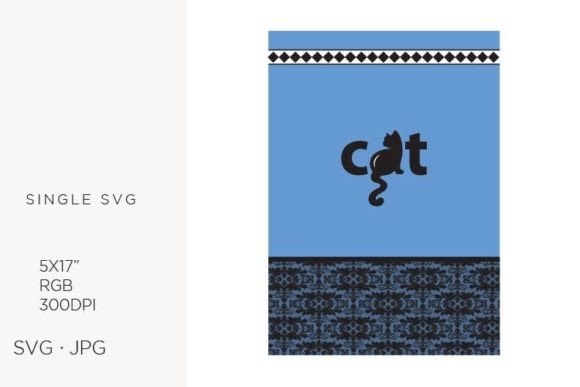
Understanding the foundational architecture of a digital asset is crucial before integrating it into any workflow. This particular resource is constructed within Adobe Illustrator, ensuring that the core file is a true vector graphic. The artboard is standardized at 5 x 7 inches, a dimension that aligns perfectly with industry-standard invitation cards and greeting card formats. More importantly, the resolution is set at 300 DPI (dots per inch) in the RGB color palette. While 300 DPI is typically associated with print-ready CMYK files, having a high-resolution RGB base provides exceptional clarity for digital displays, web usage, and initial design proofs.
The inclusion of multiple file formats—specifically SVG and JPG—addresses the diverse needs of modern creators. The SVG (Scalable Vector Graphics) format is paramount for maintaining crisp edges at any scale. Unlike raster images, which pixelate when enlarged, the SVG allows designers to resize the cat illustration from a small logo element to a large wall art piece without any loss in quality. The accompanying JPG files serve as immediate-use assets for quick previews, social media posts, or projects where vector editing is not required. This dual-format approach ensures that the asset remains flexible across different stages of the design process.
Design Versatility and Creative Application
The primary strength of the Pet, Cat Invitation Card vector lies in its adaptability. Because it is created in a vector program, every path, anchor point, and color fill is editable. This level of control is essential for professionals who need to match specific brand guidelines or client requests. For instance, a marketer working on a campaign for a veterinary clinic can easily adjust the color palette to match the clinic’s branding, while a freelance designer creating wedding invitations can modify the line weight to suit a more delicate, minimalist aesthetic.
Beyond traditional paper goods, the utility of this asset extends into various physical and digital mediums. The clean lines and scalable nature of the vector make it suitable for:
- Stationery and Invitations: The 5x7 artboard size is ideal for birthday parties, baby showers, or pet-themed events.
- Wall Art and Home Decor: High-resolution exports can be printed on canvas or metal for nursery decor or living space accents.
- Handmade Craft Items: Crafters can use the SVG files with cutting machines to create vinyl decals, stickers, or iron-on transfers for textiles.
- Branding and Logo Design: Small business owners in the pet care industry can incorporate elements of the design into their logos, ensuring scalability across business cards and signage.
- Digital Media: The RGB color profile ensures vibrant display on websites, email newsletters, and social media graphics.
This breadth of application means that a single purchase can serve multiple projects over time, enhancing the long-term value of the asset for creators who manage diverse portfolios.
Usability and Workflow Integration
For professionals accustomed to Adobe Creative Cloud, the integration of this asset is seamless. Opening the native Illustrator file allows for immediate manipulation of layers and groups. However, the value proposition also extends to users who may not have advanced vector editing skills. The provision of JPG files lowers the barrier to entry, allowing bloggers, educators, and small business owners to utilize the imagery in drag-and-drop design platforms like Canva or Microsoft Publisher without needing to understand bezier curves or pathfinding.
The consistency of the design is another notable factor. Inconsistent line weights or poorly closed paths are common issues in lower-quality stock vectors. A professionally crafted vector, such as this one, ensures that all elements are balanced and visually coherent. This reliability saves time during the production phase, as designers do not need to spend hours cleaning up stray points or correcting asymmetrical features. For agencies operating on tight deadlines, this efficiency translates directly into cost savings and faster turnaround times for clients.
Target Audience and Strategic Fit
Identifying whether the Pet, Cat Invitation Card fits your specific needs requires an assessment of your current project requirements and audience. This asset is particularly beneficial for:
- Event Planners and Stationers: Those specializing in personalized paper goods will find the 5x7 format and thematic relevance highly advantageous for creating cohesive invitation suites.
- Pet Industry Entrepreneurs: Owners of pet boutiques, grooming salons, or veterinary practices can leverage the imagery for promotional materials, loyalty cards, and packaging designs.
- Print-on-Demand Sellers: Individuals selling custom merchandise on platforms like Etsy or Redbubble can use the vector to create unique products ranging from mugs to t-shirts, capitalizing on the evergreen popularity of pet-themed content.
- Educators and Content Creators: Teachers creating classroom materials or bloggers writing about pet care can use the visuals to enhance engagement and break up text-heavy content.
However, it is important to recognize potential limitations. While the RGB color palette is excellent for screen-based work, designers intending to print large quantities via offset printing should convert the colors to CMYK and perform proofing to ensure color accuracy. Additionally, while the vector is editable, users without design experience may find the learning curve of Adobe Illustrator steep. In such cases, sticking to the provided JPGs or using simpler design tools may be more practical.
Long-Term Value and Quality Assessment
When evaluating digital assets, longevity is a key metric. Trends in design change rapidly, but well-executed vector illustrations tend to remain relevant longer than overly stylized or trendy graphics. The Pet, Cat Invitation Card appears to focus on clean, timeless design principles rather than fleeting fads. This suggests that the asset will remain usable for years, providing a higher return on investment compared to disposable, trend-specific graphics.
Furthermore, the ability to repurpose the elements for different contexts—such as extracting a single icon for a website favicon or using the full composition for a poster—adds layers of utility. For freelancers and agencies, building a library of such versatile, high-quality vectors can streamline future projects and reduce the time spent searching for appropriate imagery.
Final Considerations for Professional Use
In conclusion, the Pet, Cat Invitation Card vector asset offers a robust solution for creators seeking flexibility, quality, and ease of use. Its technical foundation in Adobe Illustrator, combined with the provision of both SVG and JPG formats, ensures compatibility with a wide range of workflows. Whether you are designing a bespoke invitation, branding a pet-related business, or creating digital content, this asset provides the necessary tools to achieve professional results.
Prospective users should consider their specific technical capabilities and end-use requirements. For those with vector editing skills, the potential for customization is vast. For those without, the high-resolution raster options still provide significant value. By understanding the strengths and limitations of this digital resource, designers and business owners can make informed decisions that align with their creative goals and operational needs. Ultimately, the value of this asset lies not just in the image itself, but in the efficiency and creative freedom it affords the user.